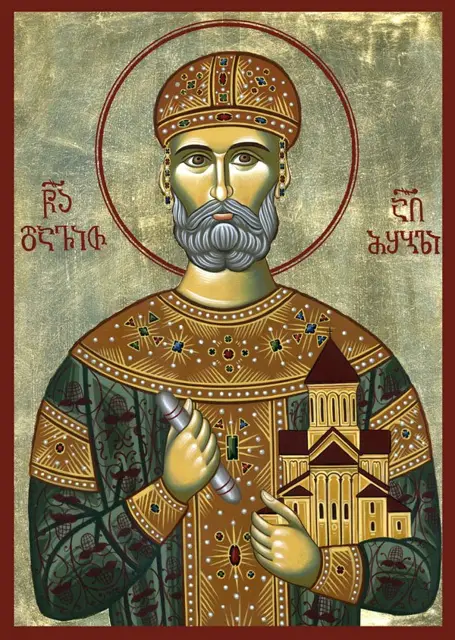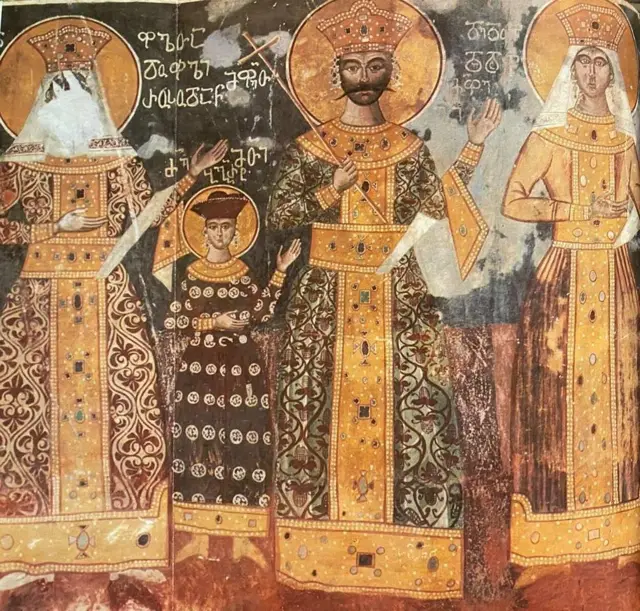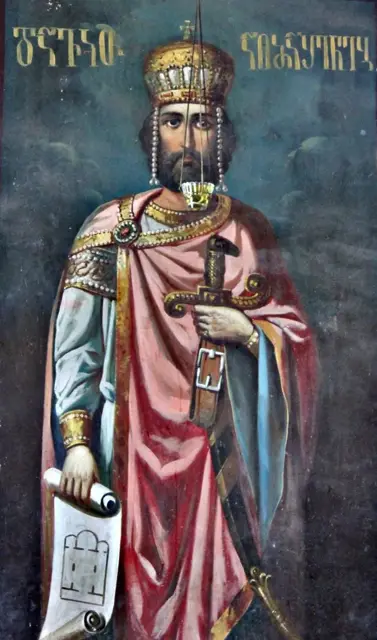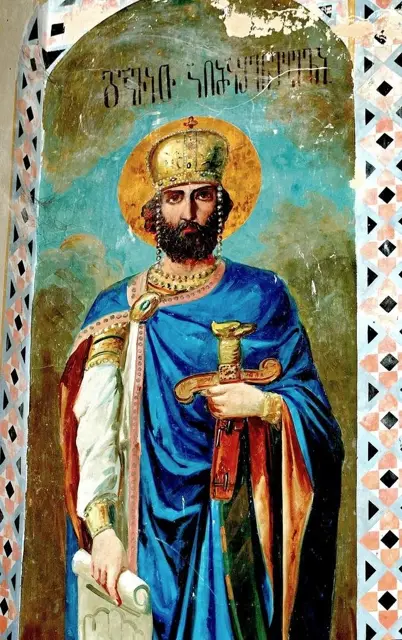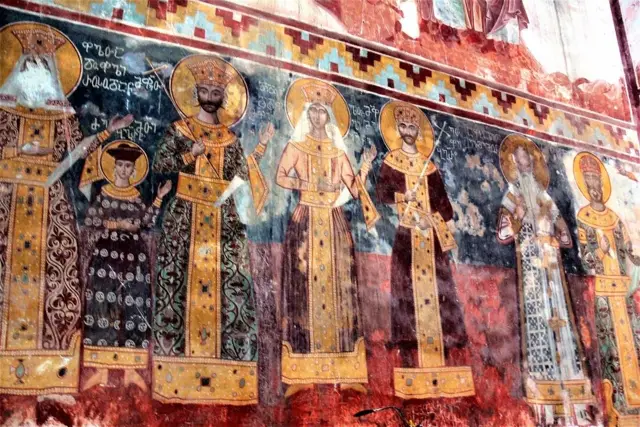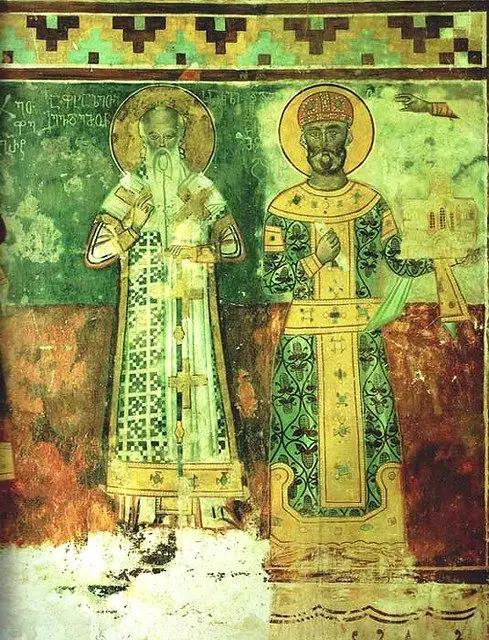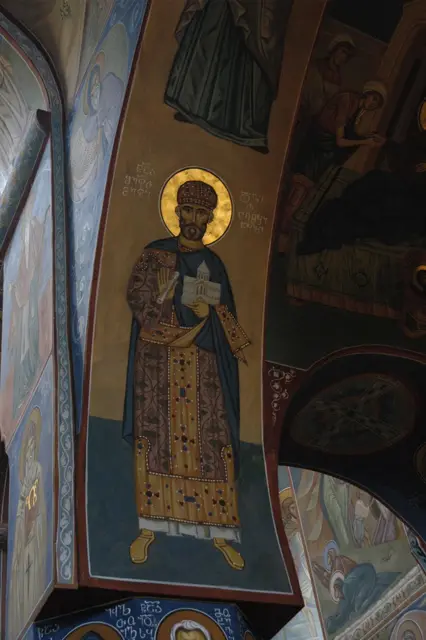
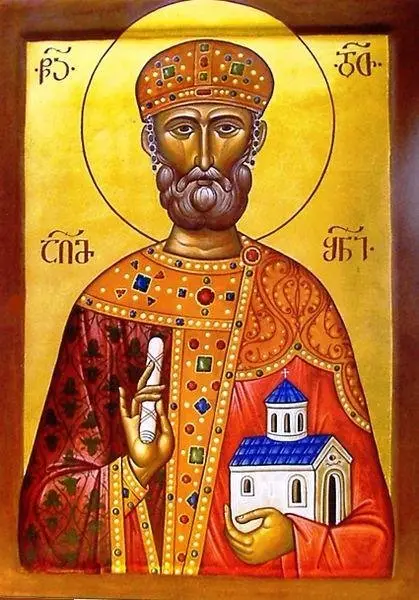
Holy King David the Builder
He defeated the hordes and gathered the scattered land, yet, kneeling before God, he counted himself sinful and small. On the field of Didgori the voice of victory rang out, and at the gate of Gelati, the silence of humility, where to this day every worshipper steps over the king's grave before entering the house of God.
- Feast
- 26 January (8 February)
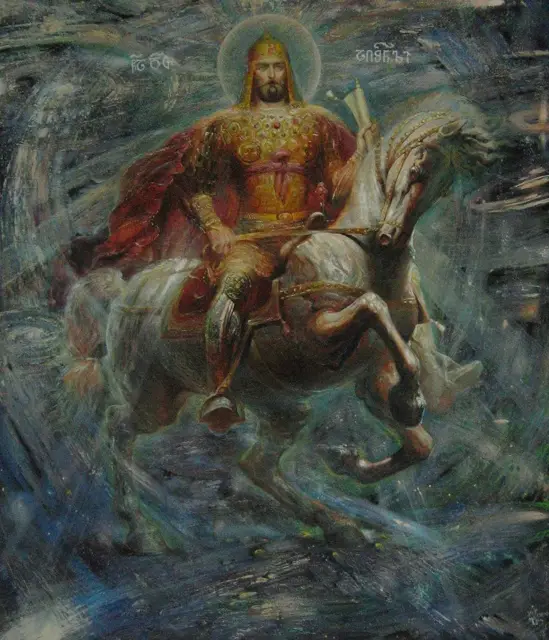
The holy King David IV the Builder is one of the greatest kings in the history of Georgia, a military commander, a statesman and a saint of the Georgian Orthodox Church. With his reign began the most important age of Georgia's political, military, cultural and spiritual revival. David united a country weakened by enemy invasions, strengthened royal authority, reformed the army, regained lost territories, protected the Church, learning and culture, and laid the foundation of Georgia's Golden Age. For the Church, however, his greatness is not measured by military victories alone: he is remembered as a pious king, a defender of Orthodoxy and a Christian marked by deep repentance.
David Bagrationi was born in 1073, into the family of King George II of Georgia. His childhood coincided with one of the hardest periods in Georgian history. In the second half of the 11th century the constant invasions of the Seljuk Turks greatly weakened the country. Especially grievous was the so-called Great Turkish Invasion: the plundering of Georgian lands, the slaughter and deportation of the population, the destruction of villages and towns and the collapse of agricultural life.
In these circumstances, in 1089, David IV came to the throne of Georgia at about sixteen years of age. The young king received a country whose important territories were under enemy pressure, whose royal authority was weakened and whose people were worn out by long wars.
David began the restoration of the country step by step. First he strengthened royal authority and limited the power of the unruly feudal lords. At the same time the king began to reform the armed forces. He himself took part in the battles and strove to offer the enemy constant resistance.
One of the most important steps in strengthening Georgia was the gradual overcoming of its dependence on the Seljuks. When the international situation changed and the Seljuk forces weakened, David seized the favourable moment and stopped paying them tribute. After this began the steady liberation of the Georgian lands.
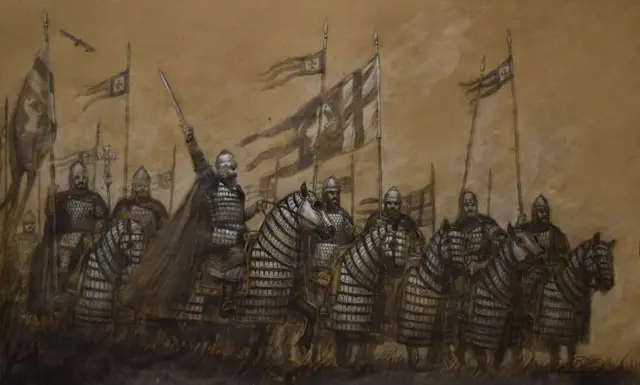
An important part of David's reforms was the creation of a strong standing army. For this purpose he settled large groups of Kipchaks from the North Caucasus. Their families made their homes in Georgia, and the warriors bound to military service became an important part of the royal army. This step allowed David to form a more mobile and powerful force and to fight continually both against external enemies and against opposition within the country.
But for David the strengthening of the state did not mean military force alone. A special place in his work belonged to the spiritual and organisational strengthening of the Church of Georgia. At the Council of Ruisi-Urbnisi, convened in 1103–1104, important changes were carried out. The aim of the council was to set church life in order, to strengthen clerical discipline and to settle the matter of those who had been unworthily promoted.
In David's vision of the state, Church, learning and culture were closely bound together. He protected monasteries, clergy, scribes and scholars. The king himself was distinguished by his high learning and his love of books. Historical tradition presents him as a ruler who carried books with him even on military campaigns and read in his free time.
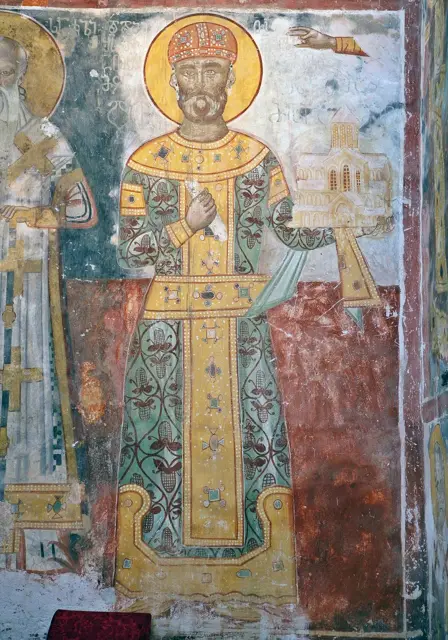
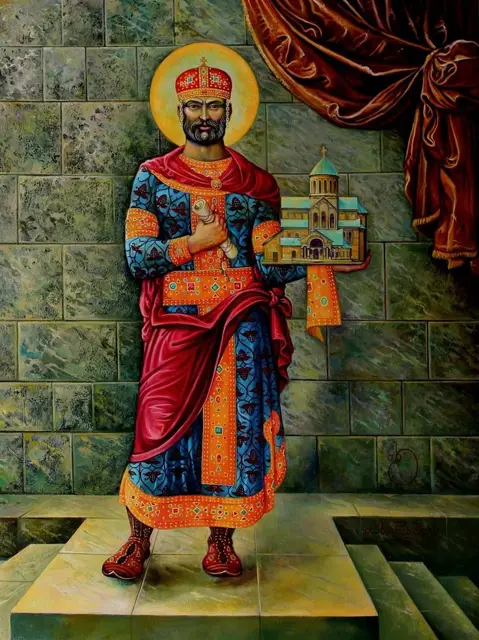
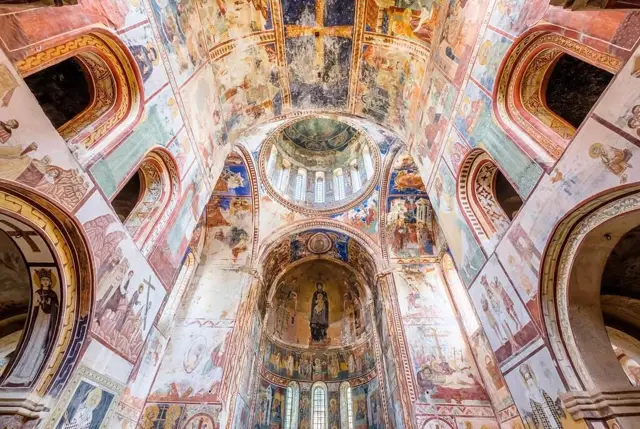
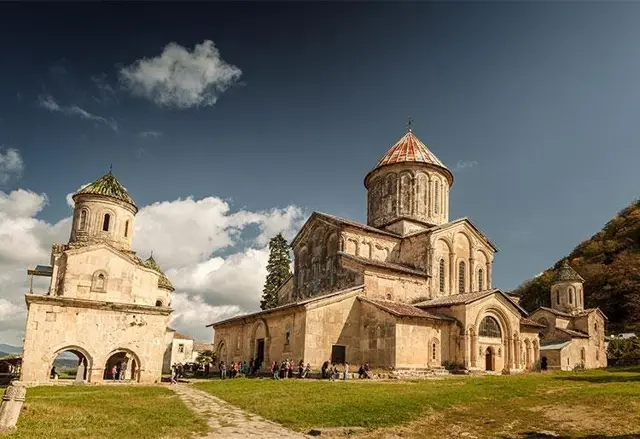
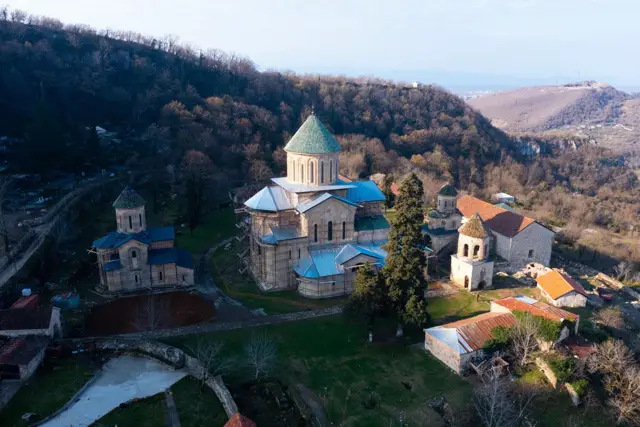
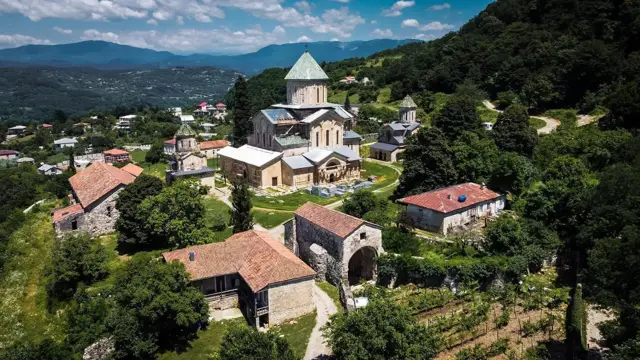
Inseparably linked with his name is the monastery of Gelati, whose construction began during his reign, in 1106. The king wished Gelati to be not only a monastery, but the foremost centre of Georgian Christian learning and scholarship.
Beside Gelati there arose the Gelati Academy, where renowned Georgian scholars and churchmen worked. Theology, philosophy and other sciences were studied there, and important works were translated and written. Gelati became a kind of symbol of David's ideal of the state: for him a strong Georgia was to be not merely a military state, but a centre of Christian learning and culture.
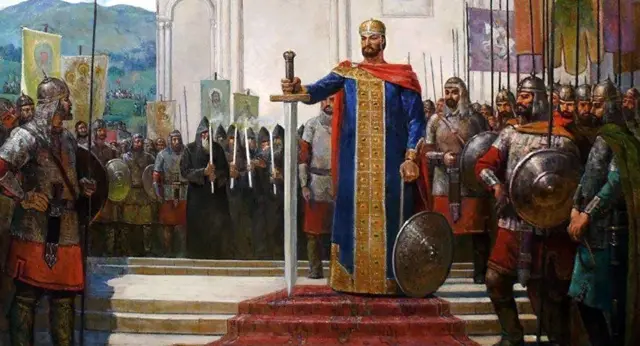
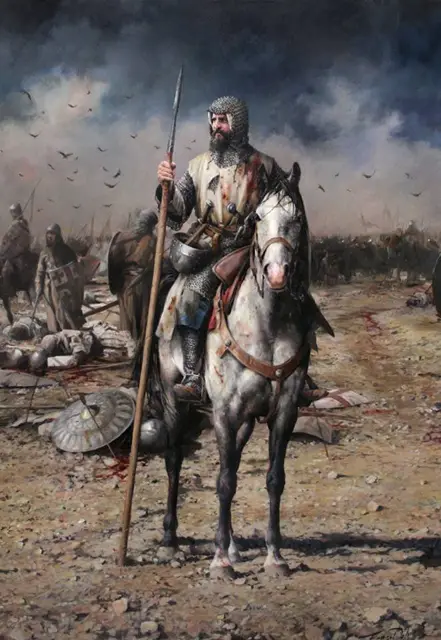
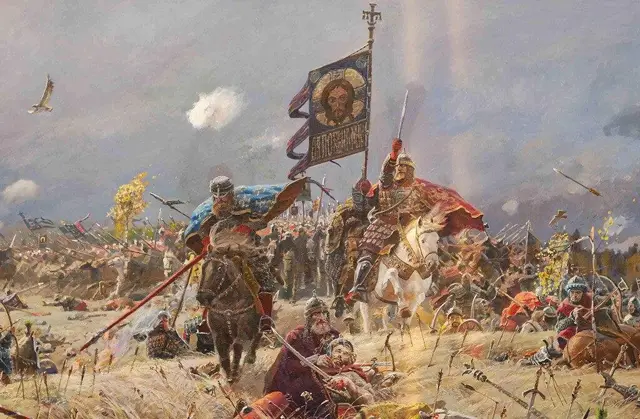
The most important event of David the Builder's military career was the battle of Didgori on 12 August 1121. The strengthening of Georgia and the decline of Muslim rule's influence provoked great opposition in the region. A numerous coalition army was formed against Georgia, intended to bring about the defeat of David's state.
David gave battle to the enemy at Didgori. Despite the adversary's superior numbers, the Georgian army won a decisive victory through well-planned military action. In Georgian historical memory Didgori has remained the “miraculous victory”, one of the greatest military victories in the history of Georgia.
The victory at Didgori opened the way to the liberation of Tbilisi. In 1122 David took Tbilisi and made the city, which for centuries had been under the political control of a foreign power, once again the centre of the Georgian state. Tbilisi became the capital of a united Georgia and took a central place in the political and economic life of the country.
An important feature of David's policy as a ruler was his considered attitude towards the people of different faiths and origins living in his kingdom. Even after the recovery of Tbilisi, Christians, Muslims, Jews and other communities lived in the city. Though a strong Christian king, David understood well the importance of governing a city of many peoples and many faiths.
His victories did not end with Tbilisi. David went on extending Georgia's influence in the South Caucasus. In 1124 the Georgians took Ani, and by the end of David's rule Georgia had already become one of the strongest political and military states of the Caucasus.
Yet to understand the person of David the Builder it is not enough to know his battles and reforms. The most important witness to his inner spiritual world is the “Hymns of Repentance”, one of the outstanding works of Georgian spiritual literature.
In this text the victorious king, who won countless battles and created a strong state, stands before God as a man repenting of his own sins. He does not boast of military glory, but asks the Lord for forgiveness and mercy. Here one of the most important sides of David's character appears: the unity of the strength of a statesman and Christian repentance.
For him the royal crown was not only a sign of power. He understood kingship as a responsibility before God and the nation. In David's life were joined the king and the warrior, the builder and the patron of learning, the strengthener of the state and the Christian repentant for his own sins.
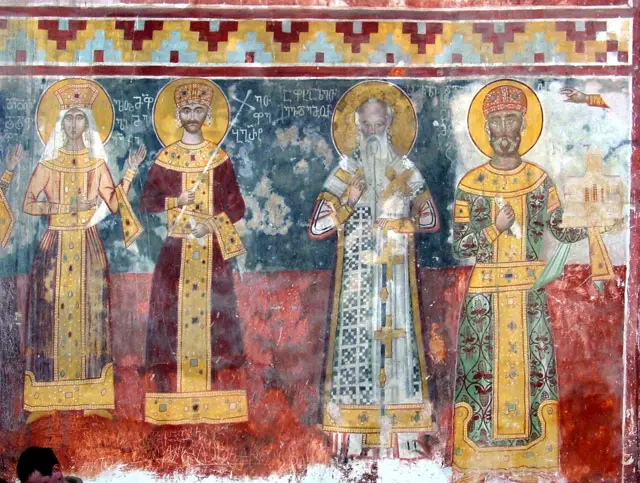
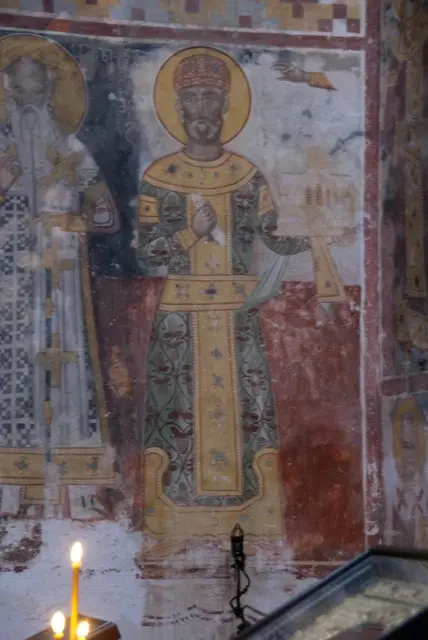
On 24 January 1125 the holy King David the Builder died. He was buried in the monastery of Gelati, which he had built with special love. According to tradition, David's grave lies at one of the gates of the monastery. Over the centuries this has been given a special symbolic meaning: the victorious king of Georgia wished for a place where those entering Gelati would pass by his grave.
With David's death the system of state he had created did not come to an end. On the contrary, the military, political, ecclesiastical and cultural reforms he carried out laid the foundation for Georgia's further rise. A few generations later, in the age of Queen Tamar, this process reached the summit of Georgia's Golden Age.
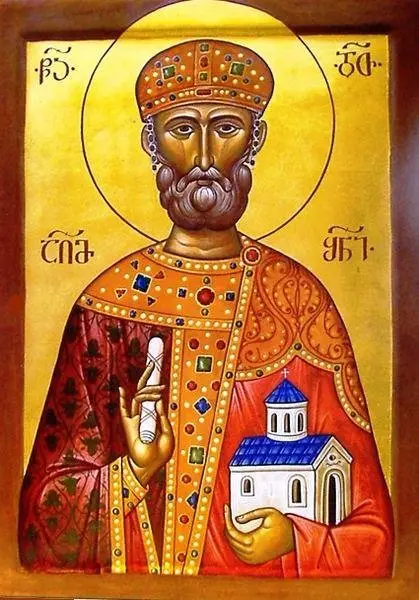
The Georgian Orthodox Church canonised David the Builder and honours him as a pious king, defender of the Church, patron of learning and builder of a Christian state.
The Georgian Orthodox Church celebrates the memory of the holy King David the Builder on 26 January (8 February), according to the old and the new calendar.
To this day the holy King David the Builder remains for Georgia one of the most important symbols of unity, statesmanlike wisdom, courage, learning and Christian faith. At the age of sixteen he received a country broken apart and laid waste by its enemies, and at the end of his life he left a united, strengthened Christian state with influence in the region.
His greatest legacy is not only the battles won, the cities liberated or the monasteries built. David gave Georgia a direction as a state, founded on unity, strong authority, learning, the Church, culture and Christian responsibility. That is why history left him the name that most fully expresses his work: David the Builder.
Hymns of the Holy King David the Builder
🎵 Troparion (Tone IV)
საკვირველება, რომელი ქმენ, უფალო, წმიდისა შენისა შორის კეთილმორწმუნისა მეფისა დავითისა, ზესთა აღხდების გონებასა სიტყვის მოქმედთასა რამეთუ ადიდე იგი სახელისათვის შენისა, ვიდრე დახსნამდე სარკინოზთა ბრწყინვალეთა მიერ ძლევათა ყოველად საკვირველთა, ხოლო შემდგომად დაზსნისა სარკინოზთასა დიდებულ ჰყავ ნიშთა მიერ საკვირველთა, რომლისა ოხითა მოეც სულთა ჩუენთა დიდი წყალობა.
🎵 Kontakion
ზესთა მბრძოლისა უძლეველსა დავითს და შემწესა ურცხვენელსა კეთილ-მსახურებისასა, ვითარცა მის მიერ განათლებულნი სამწყსოისა მისისა ერნი და ქალაქნი, შორის ხმისა, გვირგვინსა შეუთხზვიდეთ, განმათავისუფლებელსა მას ჩუენსა ყოველთაგან ვნებათა და ვიტყოდეთ მისდამი სიხარულით: გიხაროდენ, კმაო, მფარველო ჩუენო.