Saint John of Zedazeni
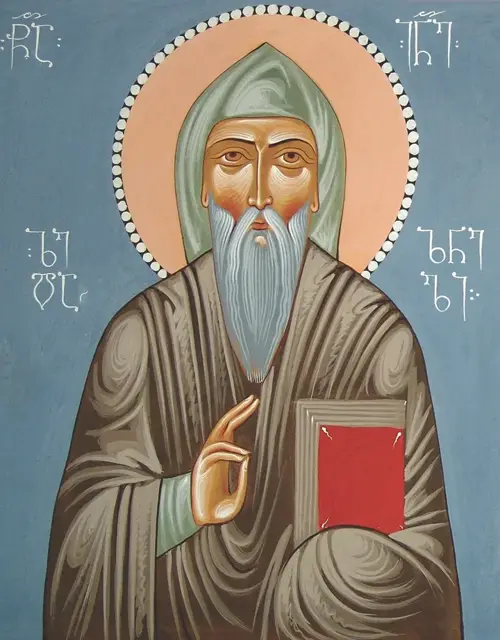
The voice of the Mother of God showed the mountain paths to the man who exchanged the calm of the city for the harshness of the mountain. On Zedazeni, where an idol was once worshipped, he planted prayer, and his twelve disciples scattered that fire across all Georgia, until one mountain became twelve monasteries.
- Feast
- 7 (20) May
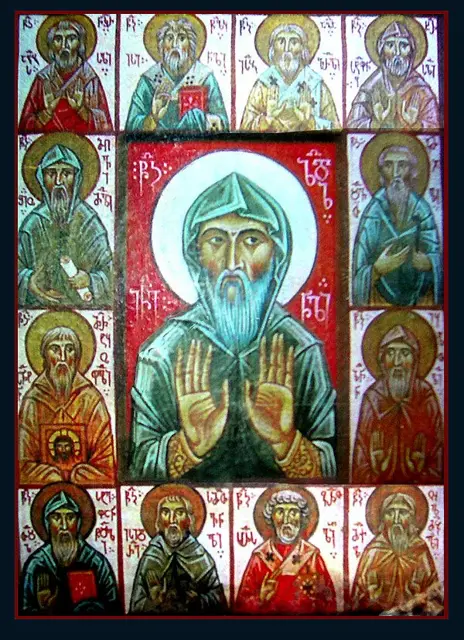
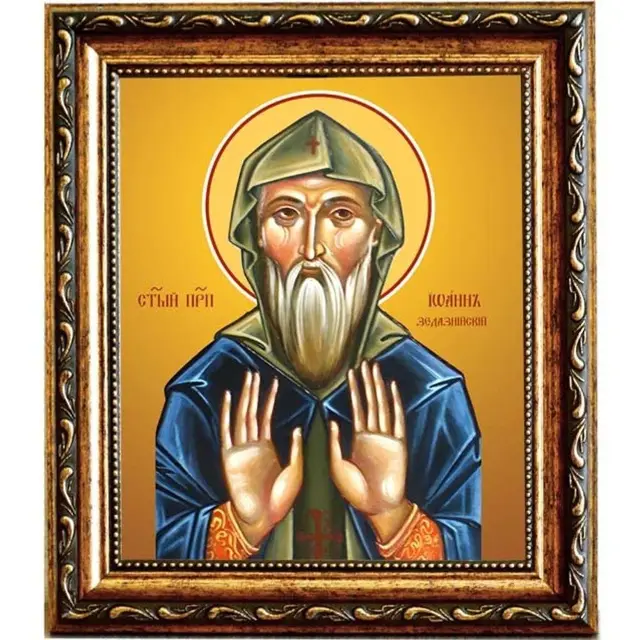
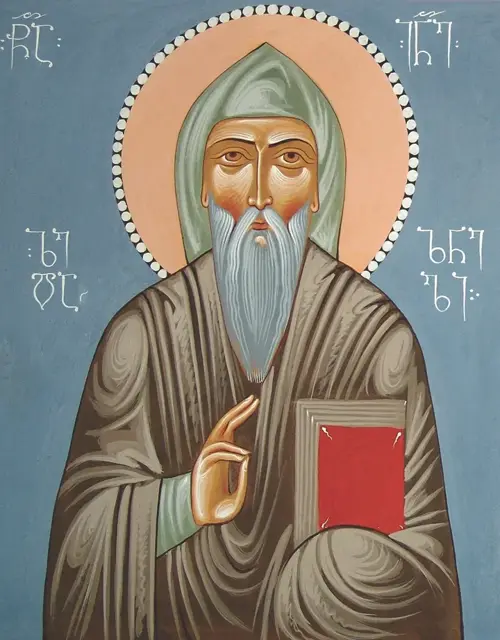
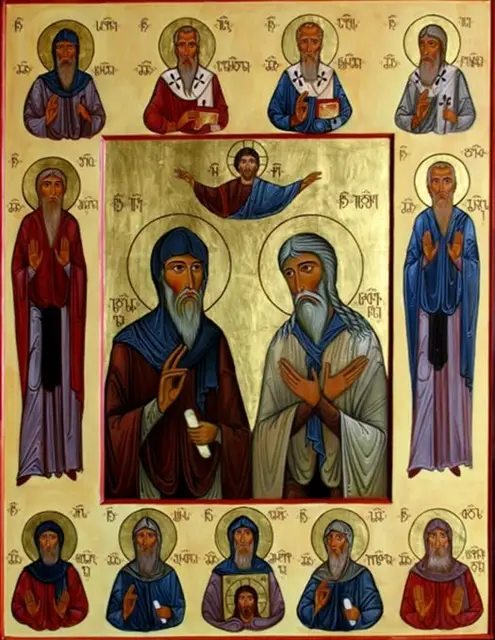
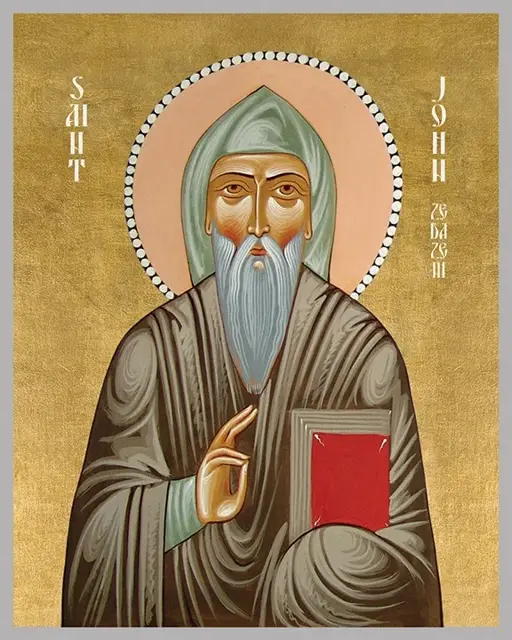
Saint John of Zedazeni, leader of the Thirteen Assyrian Fathers, is one of the greatest figures of the 6th-century Georgian Orthodox Church and the foremost father of Georgian monastic life. He came to Georgia with his twelve chosen disciples in an age when the strengthening of the Christian faith, the growth of monastic life and the spiritual renewal of the Church were of special importance. The labour of the Assyrian fathers left a deep mark on the history of Georgia: they founded monasteries, strengthened church life, trained disciples and created spiritual centres in different parts of the country, some of which are active to this day.
What is known of Saint John's youth has been preserved mainly by Church tradition. He is linked with the Christian monastic world of Antioch and Syria, which in that age was one of the most important centres of Eastern monasticism. From his youth John was drawn to solitude, the study of Holy Scripture, fasting and unceasing prayer.
After receiving a spiritual education, he left city life and withdrew into the desert. There he led a strict ascetic life, and little by little other monks gathered around him. For them John became not only a superior, but a spiritual father. His humility, prayer and strict monastic life became so well known that many people wished to live beside him.
According to Church tradition, the decisive event in Saint John's life was the appearance of the Most Holy Mother of God. The Mother of God commanded him to choose twelve fathers from among his disciples and to go with them to Iberia, that is, to Georgia, to strengthen the Georgian people in the Christian faith.
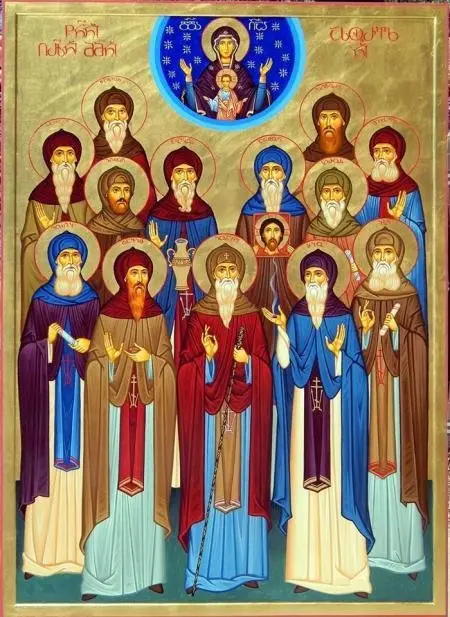
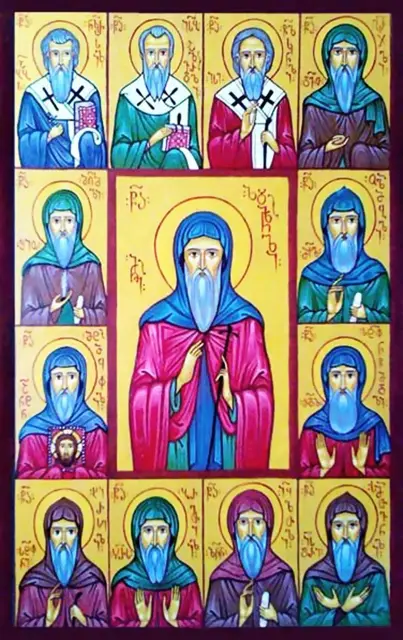
Saint John received this charge as the will of God. He bade his disciples pray and fast, and in the end chose twelve fellow labourers. It was this group that entered the history of the Church of Georgia under the name of the Thirteen Assyrian Fathers: Saint John and his twelve disciples.
Their coming to Georgia became one of the most important events of the 6th-century Georgian Church. The fathers went first to Mtskheta, the centre of Georgia's Christian life. There they venerated the holy things of Svetitskhoveli and made a pilgrimage to the places connected with Saint Nino and the history of the Christianisation of Georgia.
Church tradition also gives special importance to the reverent welcome which the Georgian clergy gave the Assyrian fathers. Their coming to Georgia was not seen as an ordinary journey: the Church saw in them spiritual teachers sent to the country to strengthen monastic and church life.
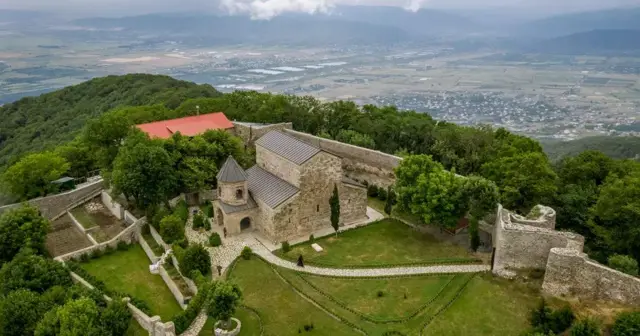
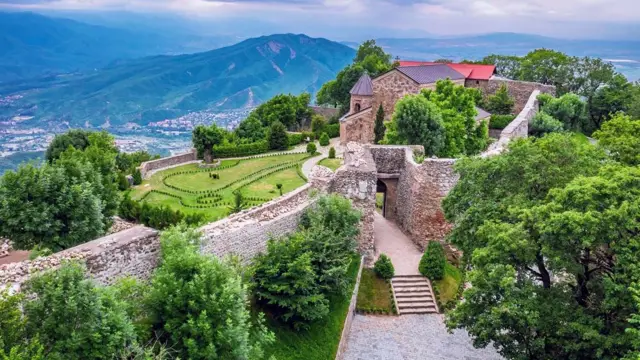
After a time Saint John left Mtskheta and settled with his disciples on Mount Zedazeni. This place carried a special symbolic meaning. Before Christianity Zedazeni had been a pagan religious centre, where the idol of Zaden was worshipped.
When Saint John and his disciples settled on Zedazeni, a place formerly bound up with pagan worship was turned into a centre of Christian prayer and monastic life. It was because of his long labour on this mountain that the holy father received the name Zedazneli, “of Zedazeni”.
The life of the fathers on Zedazeni was extremely strict. They fasted, spent their nights in prayer and lived by their own labour. Word of their spiritual struggle soon began to spread among the people, and more and more came to them for counsel, prayer and blessing.
Yet Saint John's chief aim was not to keep all his disciples in one place. He saw that the different regions of Georgia needed monastic and spiritual centres. So with his blessing the disciples set out for various corners of the country.
Among them were Saint Shio of Mgvime, Saint David of Gareja, Saint Abibos of Nekresi, Saint Anthony of Martkopi, Saint Ise of Tsilkani, Saint Joseph of Alaverdi and other fathers. Each of them by his labour took an important place in the history of the Church of Georgia.
Their names are still linked today with such well-known monasteries and spiritual centres as Shiomgvime, David Gareja, Alaverdi, Martkopi, Nekresi and Tsilkani. Thus the one monastic brotherhood formed by Saint John became many spiritual homes in different parts of Georgia.
Saint John did not prepare his disciples for monastic life alone. Their labour also touched the hierarchical life of the Church of Georgia. When the episcopal sees of Tsilkani and Nekresi needed new shepherds, Ise of Tsilkani and Abibos of Nekresi were appointed bishops.
This event took on special importance, because the mission of the Assyrian fathers now continued not only through the founding of monasteries in the wilderness, but also through pastoral and episcopal service in the Church of Georgia.
Saint John had an especially close spiritual bond with his disciples. They laboured in different regions, yet he remained their spiritual father. Church traditions describe how the father visited his disciples, encouraged them and strengthened them by prayer.
A number of miraculous events are linked with his life. According to one well-known tradition, while with his disciples Saint John blessed a cup full of wine and let go of it, and the cup remained in the air. This was understood as a sign of his spiritual grace.
There are also traditions of the healing of the sick and of other miraculous help. But Saint John never ascribed the miracles to himself. He reminded people that the true healer and the source of every grace is the Lord Jesus Christ.
Humility stood out especially in the person of Saint John. Although he was the teacher of many renowned monks and the head of a great spiritual brotherhood, he fled from glory and from the esteem of men. For him monastic life meant a constant struggle with his own passions, with pride and with every earthly attachment.
His life on Mount Zedazeni became the best expression of this inner choice. He left the comfort of the city, wealth and the calm of renowned spiritual centres, and chose to live in rocky, harsh surroundings. For him the desert was the place where a person seeks to meet God in the depth of his own heart.
After long labour it was made known to Saint John that the end of his earthly life was drawing near. He gathered his disciples and gave them his last instructions. He urged them especially to keep obedience, fasting, watchfulness, purity and unceasing prayer.
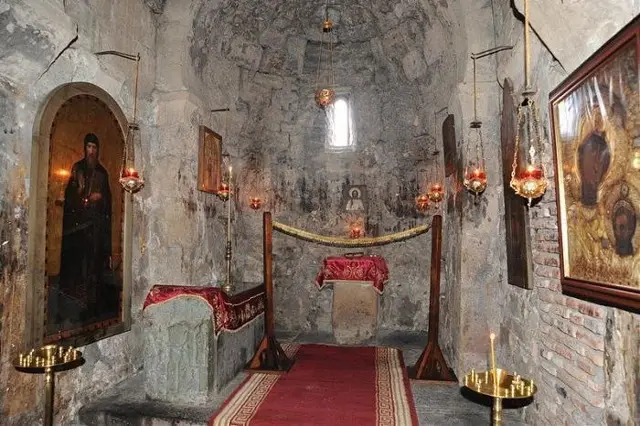
The holy father asked his disciples to bury him after his death in the cave where he himself had laboured. His wish once more expressed his humility: he did not want a grave marked out by special honour, but to rest in the very place where he had spent his whole life in prayer and ascetic struggle.
After receiving Holy Communion, John gave up his soul to the Lord in prayer. His death was not the end of the spiritual movement he had created. On the contrary, his disciples continued in different parts of Georgia along the road their teacher had taught them.
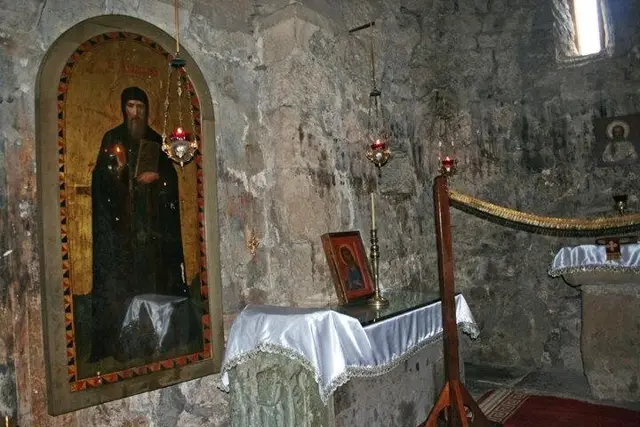
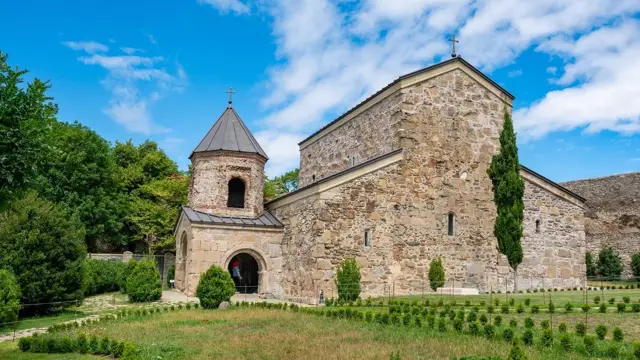
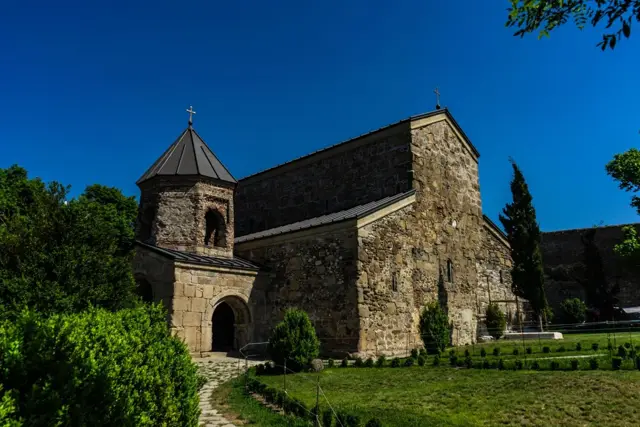
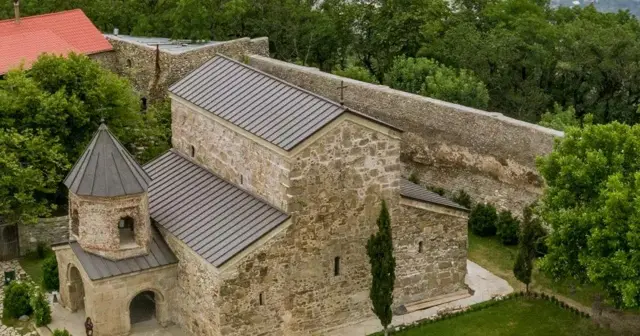
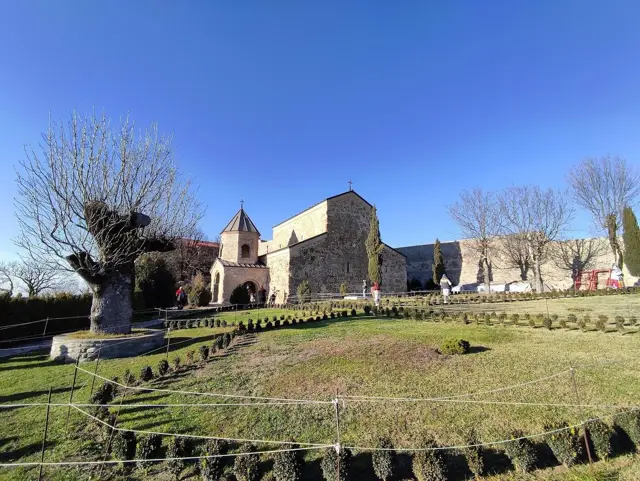
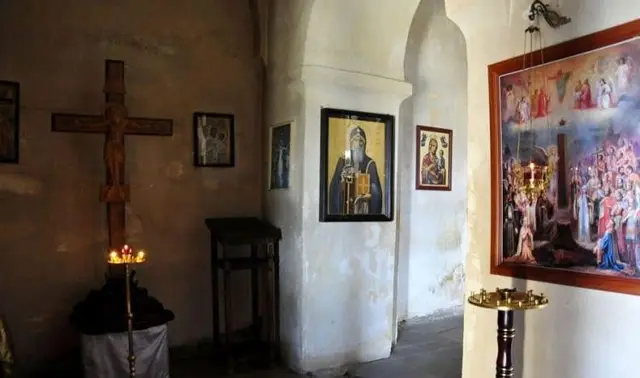
The grave of Saint John of Zedazeni lies to this day in Zedazeni Monastery and is a place of special veneration for the faithful. For centuries people have climbed Mount Zedazeni to pray at his grave and to ask for the saint's intercession.
His greatest legacy is not only Zedazeni Monastery. His true spiritual legacy is a whole generation of disciples who founded monasteries in different parts of Georgia and furthered the growth of Georgian Christian culture.
The labour of Saint John shows with special clarity how great was the importance of the Thirteen Assyrian Fathers in the history of Georgia's monastic life. After their coming the tradition of desert monasticism was strengthened, new monasteries were founded, and in various regions spiritual centres arose which in later centuries also became centres of culture, learning and letters.
The Georgian Orthodox Church commemorates Saint John of Zedazeni and his twelve disciples on 7 (20) May, according to the old and the new calendar. On this day the Church remembers not only one saint, but that great spiritual brotherhood which for centuries left an indelible mark on the Christian life of Georgia.
To this day Saint John of Zedazeni remains one of the greatest fathers of Georgian monasticism. His life teaches us that true spiritual leadership is not made by words alone: it is attained through personal example, obedience, prayer and the offering of one's own life to God.
The disciples he trained were scattered through different parts of Georgia, yet everywhere they took with them one spiritual school: strict monastic life, prayer, humility and complete faithfulness to Christ. That is why Saint John of Zedazeni has remained in the history of the Church of Georgia not only as one great ascetic, but as the father who brought up a whole generation and had the greatest influence on the future of Georgian monasticism.
Hymns of Saint John of Zedazeni and his twelve disciples
🎵 Troparion
ჰკამკამებ უდაბნოსა, ნათობ ქართველთა უმეტეს მზისთუალისა, მამო მამათაო იოანე, მეოხ-იქმენ მათთვის, რომელნი პატივს სცემენ დღესასწაულსა შენსა და განათლდებიან.
🎵 Kontakion
ასურით გამო მნათობად ქართლისად გამოსჩნდი და ათორმეტთა მამათა მამად იჩინე, ხოლო მადლთა სულისა წმინდისათა გვიწყაროებ და სასწაულთა სიმრვალითა განგვაბრწყინვებ, მამო წმინდაო იოანე, მოეც მშვიდობაი მთავრობასა და მხედრობასა ჩუ ენსა მორწმუნესა და ერნი მადიდებელნი შენნი, იხსნენ განსაცდელთაგან.